October 29, 2026
Explore the Art of Cuban Baking in Aurora CO
By @manuelunzl693
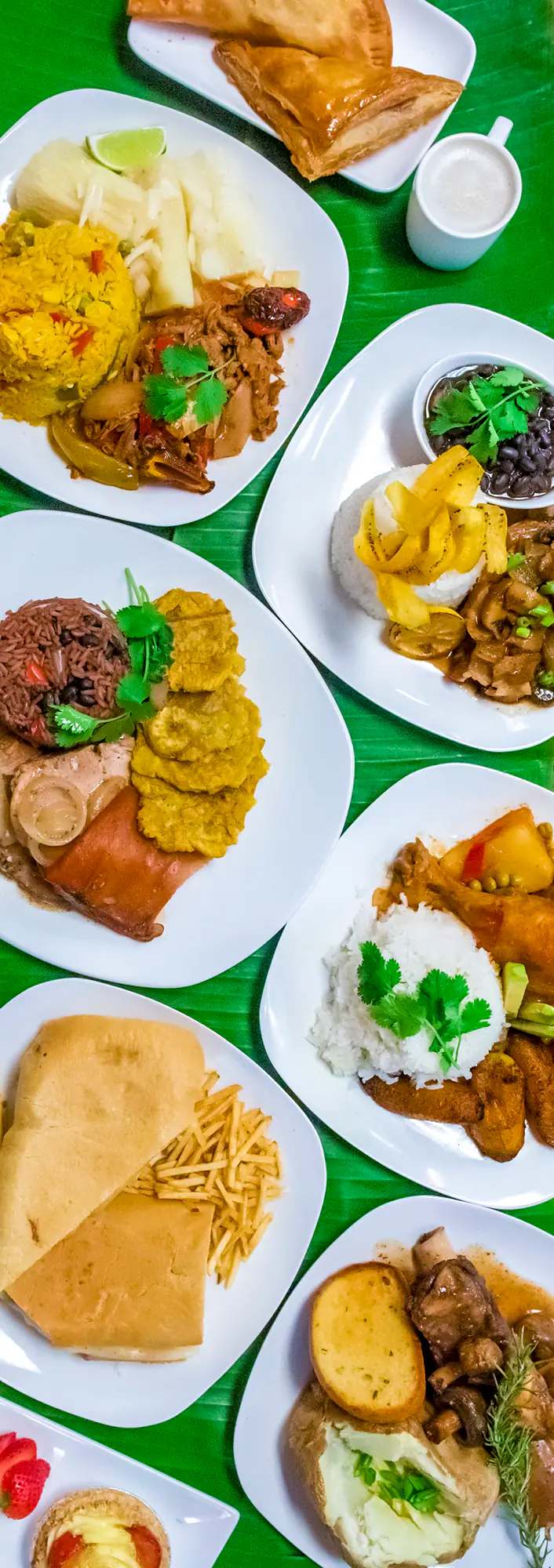
Aurora has always been the kind of city where food tells the real story. You can learn plenty from maps, demographics, and development plans, but a neighborhood reveals itself faster through its bakeries. Step into a Cuban bakery and you understand something immediately: this is not just a place to buy bread. It is a place where routine, memory, and technique meet before most of the city has finished its first cup of coffee.
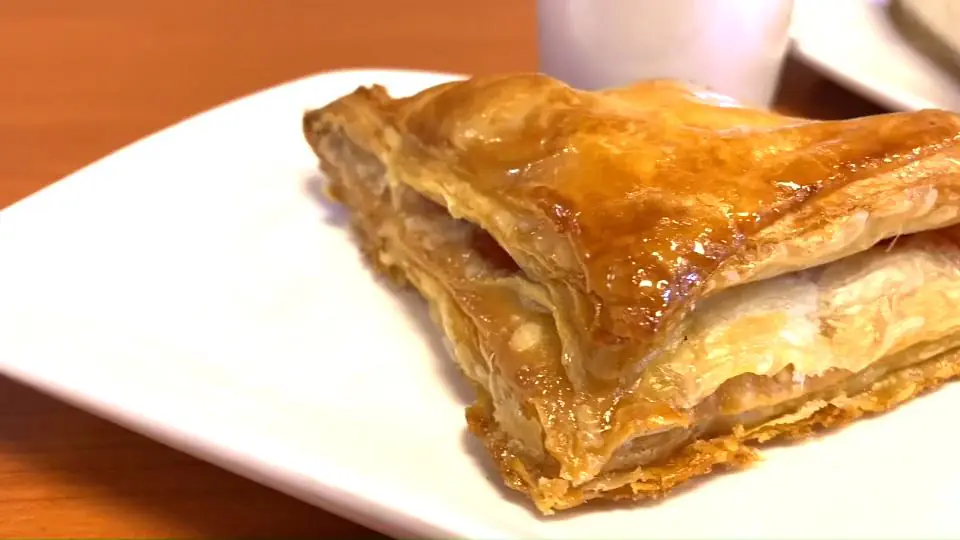
That is what makes the search for a great Cuban bakery in Aurora CO worth your time. Cuban baking carries a very specific rhythm. The pastry case is colorful and tempting, yes, but the real craft runs deeper than appearance. It lives in laminated dough that shatters lightly at first bite, in guava that tastes bright rather than syrupy, in bread with a thin, crisp crust and a tender center made for sandwiches and café con leche. The experience is both practical and celebratory. You might stop in for breakfast on a workday and leave with a box that turns an ordinary afternoon into something more generous.
For anyone who has grown up around Cuban food, a bakery often feels like a second kitchen, or at least an extension of the family table. For newcomers, it can be an education in balance: sweet and savory, flaky and soft, rich and restrained. Good Cuban baking never relies on sugar alone. Texture matters. Temperature matters. Timing matters. A pastry eaten too late in the day can still be enjoyable, but one eaten fresh, while the dough still holds its structure and the filling has not settled flat, is a different experience entirely.
What makes Cuban baking distinct
Cuban baking reflects layers of influence, Spanish roots, Caribbean ingredients, and immigrant adaptation over generations. It is one of those traditions that looks simple from the outside and gets more technically impressive the closer you pay attention. A pastelito may seem like an easy breakfast pastry, but any baker will tell you otherwise. The dough has to puff properly, the filling has to stay flavorful without leaking, and the finished pastry needs that right tension between buttery crispness and delicate chew.
One reason Cuban bakeries stand out is their command of contrast. Guava and cream cheese is the most familiar example, and still one of the best. The fruit brings tang and fragrance. The cream cheese softens the sweetness and gives body. In the hands of a skilled baker, the ratio is never accidental. Too much guava and the pastry tastes sticky and one-note. Too much cheese and it loses its brightness. The best version lands right in the middle, where neither side overwhelms the other.
Cuban bread deserves just as much attention. It is often overshadowed by the desserts, which is understandable, but a bakery earns serious respect through its bread program. Cuban bread should feel light for its size, with a crust that offers a gentle snap rather than a hard crack. It needs enough structure to hold pressed ham, roast pork, pickles, and mustard, yet remain soft enough to compress under a sandwich press without becoming dense. That balance takes discipline. Flour choice, proofing time, humidity, oven conditions, all of it matters.
Then there are the pastries that do not always get top billing but often reveal the quality of the shop: croquetas wrapped in dough, savory turnovers, custard-filled items, and cakes made for birthdays, baptisms, office parties, and last-minute Sunday visits. In many Cuban bakeries, the pastry case is not curated for trend. It is built for real life. People come in because they know what works, and because they know a box of pastries can solve half the social obligations of a busy week.
The morning ritual, and why timing changes everything
If you want to understand Cuban baking in practice, go early. Not at noon, not in the last slow hour before closing. Early, when trays are still being replenished and the room carries the scent of butter, yeast, sugar, and brewed espresso. At that hour, a bakery feels less like retail and more like a living system. Orders move quickly. Regulars know exactly what they want. Someone asks for a dozen assorted pastries for work. Someone else adds hot sandwiches for later. Another customer walks out with coffee and one perfect pastry, no extra discussion needed.
Freshness is not marketing language in this context. It is the difference between a pastry that crackles and one that slumps. A good baker knows how narrow the margin can be. Laminated dough is unforgiving. Even a strong recipe can lose its charm after sitting too long under warm display lights. The same is true for bread. A loaf bought in the morning will carry more aroma, better structure, and a cleaner finish on the palate.
That does not mean you cannot enjoy Cuban baked goods later in the day. It simply means you should know what keeps best. Denser cakes tend to travel well. Some filled pastries remain excellent for hours if stored properly. Bread can still perform beautifully in a sandwich if bought midday and used that evening. But if your goal is to appreciate the full craft of a Cuban bakery in Aurora CO, morning is when the details are easiest to taste.
What you are likely to see in the pastry case
Even without naming a specific bakery, certain classics show up often enough to form the backbone of the experience. Pastelitos are usually the headline act, especially guava, guava and cheese, and meat-filled versions. You may also find coconut pastries, flaky empanadas, custard-filled specialties, and sponge cakes finished with whipped icing or fruit.
Here is where experienced customers tend to linger:
- Guava pastelitos, especially when the edges are deeply golden and the filling stays bright
- Guava and cheese pastries, for the best sweet-savory balance in the case
- Cuban bread, plain or set aside for sandwiches
- Croquetas and savory pastries, which say a lot about the kitchen’s seasoning
- Espresso drinks, because pastry and coffee are part of the same tradition
This kind of selection tells you something important. Cuban baking is not split cleanly between dessert and meal. It moves across the whole day. A meat pastry can be breakfast. A sweet pastelito can be a late-morning break. Bread can anchor lunch. Cake can carry a celebration into the evening. The bakery becomes a place where categories loosen and appetite takes over.
The role of coffee in the full experience
No discussion of Cuban baking is complete without coffee. Technically, the pastries can stand on their own, but culturally and sensorially, they are rarely meant to. Cuban coffee is small, concentrated, sweet, and assertive. It cuts through butter and pastry fat in a way drip coffee often does not. Café con leche, in particular, turns a bakery visit into a ritual rather than a transaction.
There is a practical reason this pairing works so well. Cuban pastries often hold sweetness with restraint. Even guava, for all its perfume and sugar, brings acidity. The coffee meets that energy instead of dulling it. Sip a hot café con leche with a flaky pastry and the contrast becomes the point. The milk rounds the bitterness. The espresso keeps the palate awake. The pastry gets room to show its layers rather than collapsing into simple sweetness.
People who are new to Cuban bakeries sometimes underestimate the coffee menu because the cups are small and the service is brisk. That would be a mistake. These drinks are precise. A bakery that takes its coffee seriously usually takes the rest of its menu seriously too.
Reading quality like a regular
You do not need to be a trained baker to tell whether a bakery is doing things well, but it helps to know what to watch for. The first clue is turnover. Busy bakeries that replenish often tend to deliver better texture and fresher flavor. The second clue is visual discipline. Pastries should look intentional, not greasy or tired. Fillings should stay where they belong. Icing should look neat rather than heavy-handed.
The third clue is the bread. Bread exposes shortcuts faster than many pastries do. A good loaf should feel light but not hollow, aromatic but not overly yeasty, and fresh enough to spring slightly when pressed. If sandwiches are part of the operation, watch how often bread is moving. Fast turnover usually means better eating.
A fourth clue is seasoning in savory items. Sweet pastries are easier to sell because they are visually persuasive. Savory items reveal more about the kitchen’s judgment. A ham pastry should taste like more than salt. A meat filling should be moist without turning the dough soggy. A croqueta should have a creamy center and a clear identity, whether ham, chicken, or another flavor.
Finally, listen to the room. Real neighborhood bakeries have a pace to them. Orders are specific. Staff and customers often share shorthand. People buy for home, for work, for family gatherings. That energy is difficult to fake.
Why Aurora is a good place to appreciate this tradition
Aurora rewards culinary curiosity. It is large, diverse, and shaped by movement, which means food traditions are not frozen for display. They are active, practical, and adapted to local life. That matters for Cuban baking. A bakery here is not trying to serve an abstract idea of heritage. It is feeding people who need breakfast before work, treats after school, bread for dinner, and cakes for milestones.
In a city like Aurora, a bakery can also become a bridge. One customer walks in looking for a familiar taste from childhood. Another is trying Cuban pastries for the first time https://telegra.ph/Why-Cuban-Bakery-Aurora-CO-Is-Worth-the-Trip-10-29 because a friend brought some to the office. Food cultures grow this way, through repetition, recommendation, and generosity. A box of pastries travels farther than most introductions.
There is also something fitting about Cuban baking in Colorado. At first glance, the pairing may seem geographically unexpected. But baking traditions travel well when they meet communities that value craft and consistency. Aurora has long supported that kind of food culture. The city gives room for traditions to stay recognizable while still responding to local rhythms and customer habits.
Sweetness, restraint, and the discipline behind the craft
One of the most misunderstood parts of Cuban baking is its restraint. Outsiders sometimes assume a pastry-heavy bakery must lean cloying, but strong Cuban baking is more disciplined than that. Sweetness is used to support structure and flavor, not overwhelm them. Even cakes, which can be celebratory and lush, work best when they hold a light hand in texture and filling.
The guava is a good example again. Good guava pastries taste fruity first, sugary second. The same principle applies to custards, coconut fillings, and icings. You want clarity. You want each element to remain legible. Butter should taste like butter, not just richness. Cream cheese should register as tangy and soft. Dough should still read as dough, with layers and grain and just enough salt to keep the palate alert.
This kind of balance does not happen by accident. It comes from repetition, from careful production, and from respecting what each ingredient can do. In many bakeries, the recipes are straightforward on paper and difficult in execution. That is often the mark of real skill. Anyone can hide behind excess. It takes confidence to keep a pastry simple and make it excellent.
Bringing the bakery home
Part of the pleasure of finding a dependable Cuban bakery in Aurora CO is learning how to order for real life. A single pastry and coffee is one experience. Bringing home an assortment for family or friends is another. The second requires a bit more strategy.
If you are buying for a group, variety matters less than people think. It is better to bring a smaller range of fresh, well-made items than a huge mixed box that has been sitting too long. Pastries with guava usually disappear fast. Savory items provide balance. Bread is worth adding if sandwiches are part of your plan later in the day. If you are picking up cake, ask yourself whether the event is immediate or if the dessert needs to hold for several hours.
Storage matters too. Flaky pastries rarely improve in a closed container for long periods. They soften quickly. Bread wants breathable wrapping if you plan to use it the same day. Cakes depend on filling and frosting, so room temperature versus refrigeration should match the bakery’s guidance. None of this is complicated, but a little care protects the qualities you paid for.
For anyone hosting casually, this approach works well:
- Buy pastries as close to serving time as practical
- Mix sweet and savory so the box feels balanced
- Add coffee to the plan, not as an afterthought
- Reheat only when it helps texture, never by default
- Order extra bread if sandwiches might happen later
These are small decisions, but they change the experience. A bakery box served thoughtfully feels abundant without being excessive.
The emotional side of the bakery counter
Food writing often leans heavily on flavor, texture, and technique, all of which matter here. Still, bakeries carry another kind of value that is harder to quantify. They become part of a family’s calendar. Saturday mornings, birthday pickups, a quick stop before visiting relatives, a dozen pastries for the office after a promotion, bread and coffee on a day when cooking feels impossible. These habits attach emotion to the place long before anyone starts describing the crumb or analyzing the lamination.
That is especially true in traditions like Cuban baking, where food is closely tied to hospitality. Bringing something from the bakery is not just convenient. It is a gesture. It says you came prepared to share. It says this visit matters enough for good coffee, warm bread, and something sweet at the end.
In Aurora, where so many people have built homes from different starting points, those gestures carry weight. Food can offer continuity when everything else changes. A bakery preserves that continuity one tray at a time.
How to make your first visit count
If you are visiting a Cuban bakery for the first time, resist the urge to overcomplicate it. Start with a classic. Order a guava and cheese pastry, a savory item, and coffee. Add bread if you want to understand the broader range of the bakery. Pay attention to the details that do not announce themselves loudly: the crispness of the pastry shell, the temperature of the filling, the sweetness level of the coffee, the softness of the bread.
Then go back another day and try something different. Bakeries reveal themselves over repeat visits. One pastry tells you a little. A second visit confirms whether quality holds. A third visit is often when you notice what regulars already know.
The beauty of exploring Cuban baking in Aurora is that the experience remains grounded. It is not precious. It is not performative. At its best, it is deeply skilled food presented without fuss. The display case may look festive, but the foundation is work: mixing, proofing, folding, filling, baking, brewing, and serving at a pace that leaves little room for shortcuts.
That is the real art. Not just making pastries that look good in the case, but making food people return for week after week. A great Cuban bakery earns loyalty because it understands both craft and appetite. It knows that one customer wants nostalgia, another wants breakfast, and a third simply wants something delicious with coffee before the day gets moving.
Aurora is a strong place to discover that balance. If you take the time to seek out a thoughtful Cuban bakery in Aurora CO, you will find more than sweets behind the glass. You will find a baking tradition built on precision, generosity, and everyday pleasure, the kind that turns a simple morning stop into one of the best meals of the week.
Cuba Bakery & Café
15028 E Mississippi Ave, Aurora, CO 80012
+1 303-752-2822
FAQ About Cuban bakery Aurora CO
What are Cuban pastries called?
Many small Cuban pastries are called pastelitos. They can have sweet or savory fillings, such as guava, cheese, guava and cheese, or seasoned meat. Cuba Bakery & Café lists guava, cheese, guava-and-cheese and beef pastries on its menu. Ask the bakery about current availability and ingredients when ordering.
What are traditional Cuban pastries?
Common Cuban bakery choices include flaky pastelitos filled with guava, cheese or meat. Cuban bakeries may also offer empanadas, breads and desserts alongside coffee. Cuba Bakery & Café lists pastelitos, several empanada fillings, pan Cubano and desserts such as tres leches and bread pudding. Selection can vary, so confirm the day's choices with the bakery.
What makes Cuban bread different?
Cuban bread is known for its light interior and a thin crust that becomes crisp when toasted or pressed. Traditional recipes often use lard, although ingredients vary by baker. It is commonly served as buttered toast or used for Cuban sandwiches. Cuba Bakery & Café lists pan Cubano and tostada on its menu; ask staff about the ingredients in their bread if you have dietary restrictions.
❧